


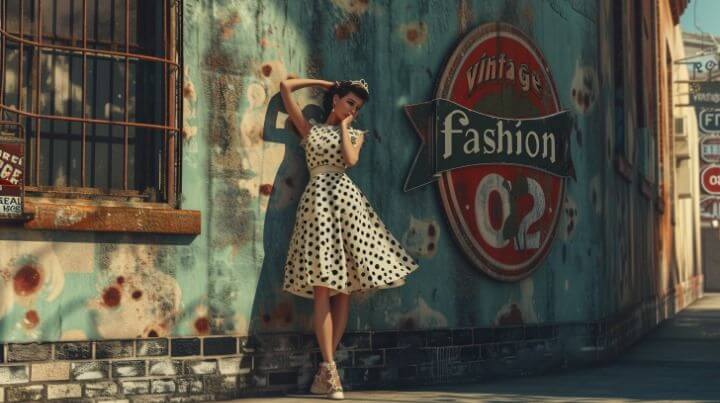
The rapid acceleration of technological progress usually pushes society to look forward. Consumers are conditioned to eagerly anticipate the next smartphone iteration, the latest automated smart-home device, and the sleekest minimalist design trends. For decades, modernism was defined by a clean, hyper-efficient, and clinical approach to aesthetics, where the old was systematically discarded to make room for the new.
However, a profound cultural counter-revolution is quietly reshaping the global marketplace. Across interior design, fashion, entertainment, and consumer electronics, the aesthetics of the past are staging a massive, highly profitable comeback. Vinyl records are outpacing compact discs, mid-century modern furniture dominates interior design portfolios, and film photography is experiencing a massive revival among younger generations. This phenomenon is not a fleeting trend driven by simple nostalgia; it represents a deeper societal shift. Retro has effectively become the new modern, serving as a vital antidote to the challenges of an increasingly digital, mass-produced world.
The Psychological Solace of Nostalgia and Comfort
To comprehend the structural resurgence of vintage aesthetics, one must examine the collective psychological state of the modern consumer. The contemporary world is characterized by constant digital connectivity, rapid urbanization, and a continuous influx of information that can easily lead to mental fatigue.
Tapping into a Generational Anchor
Nostalgia is a powerful emotional regulator. When individuals face periods of rapid societal change or economic uncertainty, they instinctively look backward toward eras that perceive as simpler, safer, and more stable. For older generations, purchasing a turntable or a classic leather jacket is an act of reclaiming pieces of their personal youth.
For younger demographics, such as Gen Z and Millennials, the pull of vintage operates through a phenomenon known as anemoia, which is a deep, sentimental longing for a time period a person has never actually experienced. Culturists note that growing up in a completely digitized world makes younger consumers romanticize the analog eras of the nineteen-seventies, eighties, and nineties, viewing them as authentic gold standards of human connection and cultural expression.
The Rejection of Digital Fatigue and Disposable Culture
The modern consumer landscape is heavily dominated by two exhausting forces: the ephemeral nature of the digital world and the cheap, disposable quality of mass-manufactured goods. The vintage revival is a direct, deliberate rebellion against both.
The Craving for Tactile Intangibles
In a world where music streaming services offer instant access to millions of songs via a glowing glass screen, the physical act of listening to music has lost its ritualistic weight. Digital files carry no weight, occupy no physical space, and require zero intentional effort to consume.
The booming resurgence of vinyl records addresses this sensory deficit. Buying a vinyl record requires a consumer to physically travel to a local shop, flip through crates of physical cardboard covers, carefully place a delicate disc onto a spinning platter, and gently drop a diamond stylus into a groove. This tactile materiality transforms music consumption from passive background noise into an immersive, focused sensory ritual.
Defeating Planned Obsolescence
Modern manufacturing relies heavily on planned obsolescence, which is the practice of designing consumer goods with an intentionally limited operational lifespan so they must be replaced within a few years. Contemporary furniture is often constructed from cheap, compressed particleboard that warps quickly, and home appliances are packed with delicate microchips prone to unfixable software glitches.
Vintage items, particularly mid-century furniture and mechanical wristwatches, were engineered under an entirely different design philosophy: built to last. A solid teak sideboard from nineteen-sixty or a heavy mechanical camera body possesses a structural permanence and durability that mass-produced plastic items simply cannot replicate, making them highly attractive to consumers weary of the endless cycle of throwing things away.
Sustainability as a Core Consumer Value
True sustainability has transitioned from a niche progressive lifestyle choice into a primary driving factor behind global purchasing habits. As awareness surrounding climate change, resource depletion, and global landfill accumulation reaches an all-time high, the ethics of consumerism are shifting.
The Environmental Toll of Fast Fashion and Furniture
The fast fashion and cheap home decor business models rely on hyper-fast production cycles that generate massive carbon footprints, deplete clean water resources, and mistreat factory labor overseas. Millions of tons of discarded polyester garments and broken laminate furniture are tossed into municipal landfills every year.
Embracing vintage is one of the most effective, practical ways a consumer can practice circular economy principles:
-
Slowing Down Resource Extraction: Choosing a pre-owned vintage denim jacket or an antique oak dining table completely eliminates the need to extract fresh raw materials, consume factory electricity, and burning fuel to ship a new product halfway across the globe.
-
Preserving Craftsmanship: Vintage items preserve historic artisanal skills, such as hand-carved wood joinery, intricate embroidery, and robust metal forging, ensuring these artistic traditions are valued rather than replaced by automated machine replication.
Individualism in an Era of Algorithmic Monoculture
Technology has democratized access to trends, but it has also created a highly homogenized global aesthetic, frequently referred to as algorithmic monoculture. Social media platforms utilize recommendation algorithms that push millions of users toward the exact same clothing styles, bedroom decors, and architectural layouts.
Breaking Free from Corporate Uniformity
Walk into a modern apartment building or browse a digital fashion lookbook, and you are highly likely to encounter a uniform landscape of stark white walls, sterile gray furniture, and identical minimalist silhouettes. This aesthetic uniformity strips away personal expression, making individuals feel like their personal spaces look like everyone else.
Integrating vintage pieces allows consumers to inject authentic character, quirkiness, and soul back into their wardrobes and living environments. A single mid-century accent chair featuring a bold geometric pattern, or a vintage leather bomber jacket with a natural weathered patina, breaks up the monotony of modern minimalism. Because true vintage items are rare and difficult to find, they function as unique badges of personal identity that cannot be easily copied by clicking a link on a fast-fashion website.
Frequently Asked Questions
What is the exact difference between vintage, antique, and retro?
The design and appraisal industries separate these three terms using specific chronological definitions. An item is classified as an antique if it is at least one hundred years old, representing historical eras of craftsmanship. An item is considered vintage if it is between twenty and ninety-nine years old, reflecting the specific cultural and design trends of a distinct generation, such as the nineteen-fifties or eighties. Retro, however, does not refer to the age of the item itself. Instead, retro refers to newly manufactured, modern items that are intentionally designed to mimic or pay homage to the visual aesthetics of the past.
Why are vintage electronics like film cameras and walkmans selling for premium prices?
The skyrocketing prices of vintage electronics are driven by a combination of high demand from younger generations and a limited supply of functioning hardware. Many consumers want to experience the specific creative limitations and aesthetic signatures of analog technology, such as the warm, grainy texture of thirty-five-millimeter film or the soft hiss of a cassette tape. Because these devices are no longer manufactured at a large commercial scale, finding units that have been meticulously maintained or restored commands a high financial premium in the resale market.
How can a homeowner mix vintage furniture with modern decor without making their house look messy?
The secret to successfully blending vintage and modern design lies in the sixty-thirty-ten rule of interior composition. To maintain balance, choose one dominant style to represent sixty percent of the room, such as clean, contemporary modern architecture. Utilize a secondary style, like mid-century vintage, for thirty percent of the space through large furniture pieces like a coffee table or a rug. The remaining ten percent should consist of bold accent pieces, such as antique brass lamps or retro wall art, to tie the two eras together through matching colors or materials.
Does the vintage comeback indicate that modern design innovation has completely stalled?
No, the return of vintage does not mean that contemporary designers have run out of original ideas. Instead, it proves that modern innovation is focusing heavily on structural technology, smart materials, and digital utility rather than purely visual aesthetics. Modern designers are actively collaborating with the past, creating hybrid products that wrap cutting-edge technology inside nostalgic shells, such as electric vehicles designed with classic retro chassis lines or digital smart speakers hidden inside vintage wooden radio cabinets.
How do you verify that a vintage clothing item is authentic and not a modern reproduction?
Verifying authentic vintage garments requires close inspection of the internal construction details. Check the care labels and brand tags; older vintage items manufactured before the nineteen-eighties often feature union stamps, woven brand labels rather than printed ones, and lack modern care instruction symbols or website addresses. Additionally, look at the hardware: authentic vintage pieces frequently utilize heavy metal zippers, unique button styles, and feature single-stitch hems along the sleeves and waistlines, which is a manufacturing method rarely used in contemporary fast-fashion factories.
Why is the resale market for vintage items growing faster than traditional retail stores?
The rapid expansion of the vintage resale market is fueled by the rise of peer-to-peer digital marketplaces and mobile applications that make sourcing rare items incredibly easy. Historically, finding quality vintage required spending hours digging through disorganized local thrift stores or driving to remote estate sales. Today, digital platforms allow specialized curators to showcase highly curated vintage collections to a global audience. This accessibility, combined with the consumer demand for sustainable shopping and unique products, has pushed the secondhand market into mainstream commercial prominence.
