


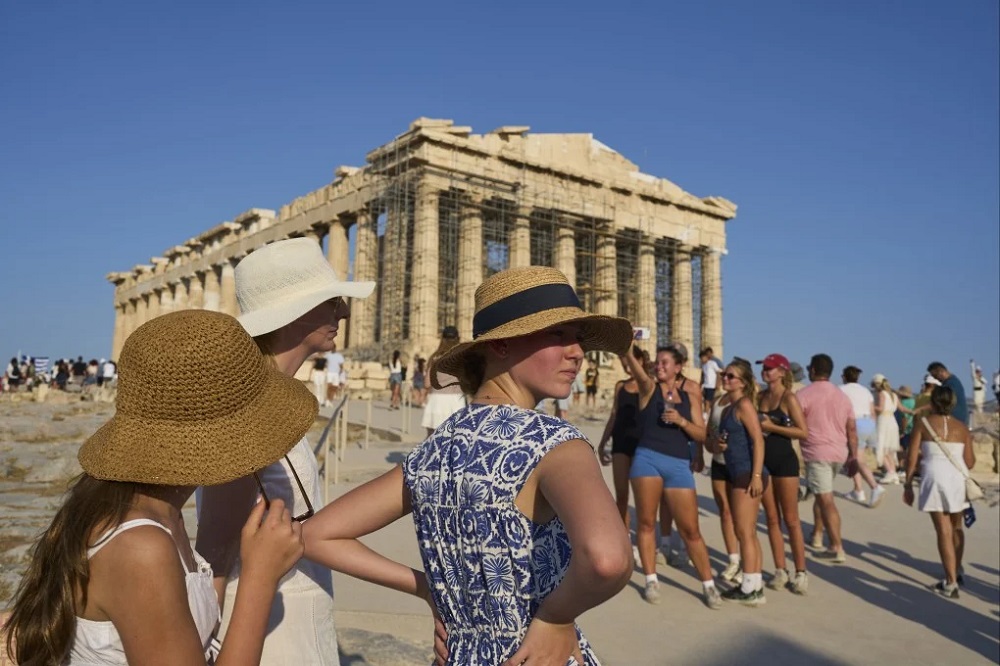
The global tourism industry operates on a highly predictable, cyclical rhythm. For the vast majority of consumers, vacation planning is dictating by external calendar milestones such as school summer breaks, major national holidays, and festive winter closures. Consequently, millions of travelers flock to the same global destinations at the exact same time, creating what is known as the peak travel season. During these frantic windows, international hotspots become saturated with human density, logistics systems stretch to their breaking points, and the cost of hospitality skyrockets.
There is, however, an entirely different way to experience the world. Choosing to travel during the off-peak season—often referred to as the low season or the shoulder season—represents one of the most effective strategic decisions an explorer can make. Off-peak travel is not merely a compromise designed to save money; it is a profound lifestyle shift that completely transforms the nature of tourism. By stepping out of sync with the global masses, travelers can unlock unparalleled financial value, immerse themselves in authentic regional cultures, enjoy a serene environment, and practice a more sustainable form of global exploration.
Substantial Financial Savings and Budget Optimization
The most immediate and measurable advantage of off-peak travel is the dramatic reduction in baseline vacation expenses. The pricing architecture of airlines, hospitality providers, and tour operators is strictly dependent on the economic law of supply and demand. When demand plummets during the off-season, companies are forced to cut their profit margins and offer steep discounts to attract consumers and keep their operations running.
Airfare and Long-Distance Transportation
International and domestic airfare often represents the largest single upfront expenditure of any major journey. During the peak summer months or holiday rushes, commercial airlines capitalize on desperate families by maximizing ticket pricing. Off-peak months see these exact same flight paths operating with abundant empty capacity. To fill these seats, airlines drop their prices, release massive promotional code campaigns, and lower the mileage thresholds required to redeem frequent flyer reward tickets. This allows budget-conscious travelers to secure premium transoceanic flights for a fraction of standard corporate pricing.
Luxury Accommodations and Lodging
The hospitality sector experiences the most volatile seasonal pricing shifts. Boutique boutique hotels, luxury resorts, and vacation rentals that command exorbitant nightly rates during the high season often cut their prices by forty to sixty percent when the off-season arrives. This financial elasticity means that a budget that would normally only cover a standard, mid-range hotel room in July can suddenly fund a five-star luxury suite or a private villa in November, drastically elevating the comfort and quality of the entire travel experience.
Intimate Exploration Free from Over-Tourism
In the modern digital era, over-tourism has become a severe global crisis that actively degrades the quality of the visitor experience. Standing in a dense, suffocating crowd for hours just to catch a fleeting glimpse of a famous painting or fighting through thousands of tour groups at a historic monument can induce intense psychological fatigue.
Preserving Spatial Autonomy
Traveling off-peak restores a sense of dignity, tranquility, and space to the art of sightseeing. When the summer crowds depart, world-class museums, ancient archaeological sites, and pristine national parks return to a state of quiet majesty.
Instead of being rushed through the ruins of Pompeii or the corridors of the Louvre by impatient crowds, off-peak travelers can linger, contemplate, and explore at their own leisurely pace. This quiet environment allows for a far deeper intellectual and emotional connection with the history, art, and natural beauty of the destination.
To visualize the operational impact of reduced human density, consider these key service improvements:
-
Elimination of Long Queue Lines: Popular attractions that normally require booking tickets months in advance or waiting in multi-hour security lines become immediately accessible, allowing for spontaneous itinerary planning.
-
Flawless Photography Opportunities: Empty streets, clear architectural vistas, and uncrowded natural landscapes allow photographers to capture clean, high-fidelity images completely free of background human distractions.
-
Immediate Restaurant Accessibility: Celebrated local cafes and neighborhood bistros that maintain months-long waiting lists during peak months can often accommodate walk-in guests during the off-season, granting immediate access to high-end culinary experiences.
Authentic Cultural Immersion and Enhanced Hospitality
When a tourist destination is inundated with thousands of visitors a day, local interactions inevitably become transactional, superficial, and strained. Hospitality workers face intense physical exhaustion, and local residents often develop a natural defensiveness against the seasonal influx of crowds.
Genuine Human Connection
During the off-peak season, the entire social climate of a destination shifts. With the frantic rush diminished, business owners, artisans, hotel staff, and restaurateurs have the time and emotional bandwidth to engage in genuine, unhurried conversations with visitors.
A conversation with a local winemaker, a lengthy chat with a neighborhood baker, or a detailed explanation of a craft from a regional artisan becomes the norm rather than the exception. These organic micro-interactions provide invaluable insights into daily customs, regional dialects, and hidden local history that are completely omitted from commercial guidebooks.
Experiencing True Local Living
High-season tourism often creates a sterilized, commercialized performance of culture designed to appeal to mass audiences. In contrast, traveling off-peak allows you to witness a destination as it genuinely exists for the people who live there permanently.
You can experience authentic seasonal festivals, observe local farmers harvesting regional crops, and sit in neighborhood plazas that have been reclaimed by local families. This raw authenticity transforms you from a superficial consumer of tourism into a mindful observer of local life.
Eco-Friendly Sustainability and Community Support
Modern sustainability requires looking closely at how our travel choices impact the environments and economies of host communities. Peak-season tourism puts immense, concentrated pressure on local infrastructure, leading to water shortages, excessive waste accumulation, and the pricing out of local residents from housing markets.
By redistributing your travel spending to the off-peak months, you participate directly in the principles of a circular, sustainable economy. Your financial patronage provides critical income stability for local tour guides, taxi drivers, and family-owned restaurants during months when they traditionally struggle to survive. This steady, year-round economic support helps stabilize the community, ensures fair wages for workers, and mitigates the destructive environmental spikes associated with concentrated high-season over-tourism.
Frequently Asked Questions
What is the exact difference between the low season and the shoulder season?
The travel calendar is divided into three distinct phases based on customer traffic. The peak season represents maximum demand, high prices, and dense crowds. The low season represents the opposite extreme, characterized by the lowest prices, minimal tourist activity, and often challenging weather conditions like heavy rains or winter drops. The shoulder season represents the thin, ideal transition window sitting directly between the peak and low seasons. It offers the ultimate operational sweet spot, combining substantial financial discounts with highly favorable weather and manageable crowd sizes.
Why do some businesses and attractions close completely during the off-peak season?
In hyper-seasonal destinations, such as remote Mediterranean beach towns or alpine ski villages during the summer, the cost of paying staff, running utilities, and maintaining inventory far exceeds the potential revenue generated by a handful of off-season travelers. Owners use this prolonged downtime to perform structural renovations, rest, and manage their own supply chains. To prevent disappointment, off-peak travelers must proactively audit the operational schedules of specific museums, ferry routes, and restaurants before booking their flights.
How should a traveler pack differently when planning an off-peak journey?
Off-peak travel often coincides with transitional or highly unpredictable weather patterns, requiring a technical approach to wardrobe management. Instead of packing heavy, single-purpose garments, focus on high-quality layering principles. Invest in lightweight, moisture-wicking base layers, an insulating middle layer such as a fleece or light down jacket, and a highly durable, waterproof outer shell. This modular setup allows you to adjust your body temperature easily throughout the day as weather conditions fluctuate.
Is it safe to travel to tropical destinations during their official rainy or monsoon seasons?
Traveling during a tropical rainy season is generally safe, provided you maintain basic situational awareness and understand regional geography. In many tropical zones, the rainy season does not involve continuous, non-stop downpours. Instead, it typically manifests as a predictable, intense one-hour thunderstorm occurring late in the afternoon, leaving the rest of the day warm and perfectly suitable for exploration. However, travelers must monitor official meteorological reports to avoid severe anomalies like tropical cyclones or localized flooding.
How does off-peak travel alter the dynamics of international car rentals and road trips?
Renting a motor vehicle during the off-peak season offers immense benefits in terms of both availability and cost. Car rental agencies cut their daily rates drastically to prevent their fleets from sitting idle in parking lots. Furthermore, navigating regional roads, scenic highways, and mountain passes becomes an absolute pleasure, as you bypass the sluggish caravan traffic, packed scenic lookouts, and competitive parking battles that plague peak-season road trips.
Can off-peak travel choices complicate visa applications or border crossings?
Generally, traveling during the off-season does not alter the legal requirements or criteria for securing tourist visas. However, it can significantly accelerate processing times. Because embassy staff and immigration departments are not overwhelmed with a massive backlog of summer holiday applications, your documentation is often reviewed and approved much faster. At physical border checkpoints and airport customs halls, shorter lines ensure a swift, stress-free entry process.
