


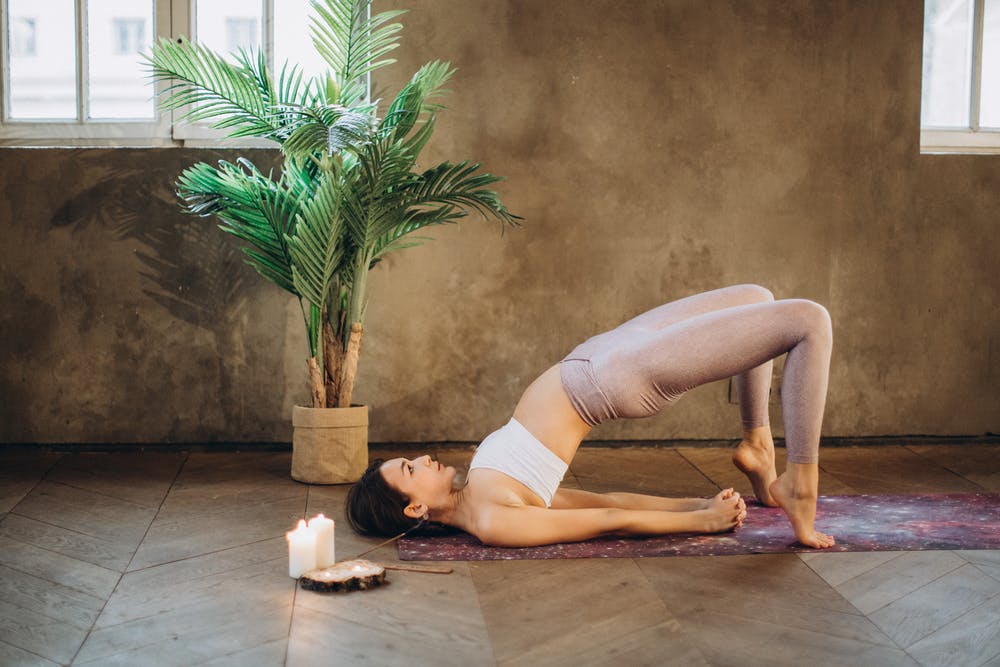
An evening routine can become surprisingly busy. A person finishes work, checks messages while cleansing, watches a video about a new serum and then scrolls in bed while waiting to feel sleepy. Skincare may be complete, yet the mind has never received a clear signal that the day is ending.
Pairing a simple routine with yin yoga creates a more deliberate transition. Gentle cleansing, a few supported poses and a screen-free period can reduce decision-making at night. The value is not that a pose directly transforms the skin. It is that a calm, repeatable sequence may support consistent care and protect time for rest.
Keep the Claims Realistic
Yoga should not be marketed as a treatment for acne, eczema, rosacea or another skin condition. Those concerns have distinct causes and may require professional diagnosis. A quiet practice also does not “detox” the skin. The liver, kidneys and other body systems manage waste, while skincare products act through their own ingredients and mechanisms.
The relationship is more practical. A screen-free movement ritual can discourage face touching, delay-free product hopping and late-night online stimulation. It may help someone notice that hot water, harsh cleansing or an overloaded routine leaves the skin uncomfortable. Most importantly, it can make bedtime behaviour more consistent.
Evening light evidence is nuanced, but bright, short-wavelength light can affect circadian timing and alertness. Content also matters. A dim screen showing stressful messages can be activating even with a blue-light filter.
Decide the Order Based on Sweat and Products
The best order depends on sweat, products and skin response. For a cool session, cleansing first removes makeup and sunscreen. A basic moisturiser can reduce tightness, while specialised products can wait until afterwards.
If the room is warm or the person tends to perspire, practising first may be more comfortable. Cleanse afterwards so sweat and residue do not remain on the skin overnight. Dermatology guidance generally supports washing after heavy sweating, but repeated or aggressive cleansing can irritate. One gentle, well-timed cleanse is usually preferable to scrubbing before and after.
Products that increase sensitivity or require careful application are often better used after movement. Follow product instructions and medical advice rather than allowing the practice to dictate treatment.
Build a Low-Friction Night Sequence
Step 1: End Digital Input
Choose a realistic screen boundary, such as thirty to sixty minutes before intended sleep. Put the phone on charge outside arm’s reach and enable any necessary emergency contacts. If the device is needed for a timer, use a silent physical timer or set an audio track in advance and turn the screen face-down.
The aim is to remove opportunities to reopen work, shop or compare routines. A consistent boundary is more useful than an ambitious rule quickly abandoned.
Step 2: Prepare the Space
Lay out a clean mat, two firm cushions or a bolster, a folded blanket and water before cleansing. Use soft but sufficient lighting so movement remains safe. The room does not need candles, fragrance or elaborate decor. In fact, fragrance-free surroundings may be preferable for sensitive skin and airways.
Clean pillowcases, face towels and handled props regularly to reduce accumulated sweat, makeup and product residue.
Step 3: Cleanse Gently
Use lukewarm water and a mild cleanser suited to the skin type. Apply it with clean fingertips rather than scrubbing with a rough cloth. Rinse thoroughly and pat dry with a clean towel.
Water-resistant makeup may need an appropriate remover, but more steps are not inherently better. Reassess any product that causes burning, persistent tightness or redness.
Step 4: Apply a Simple First Layer
If the skin becomes dry quickly, apply a familiar moisturiser before practice. Choose a texture that does not sting or migrate towards the eyes. This is not the ideal time to test a new acid, retinoid or fragranced product, because any reaction may be confused with warmth, pressure or fabric contact.
Prescription treatments should follow the clinician’s directions. The movement routine must fit around treatment, not modify it without advice.
Step 5: Practise Three Supported Poses
Begin with a reclined butterfly. Support the torso and place cushions beneath the thighs. Keep the head supported and remain for three to five minutes at mild intensity.
Move into a supported child’s pose only if face contact is comfortable. Turn the head to one side on a clean towel, then change direction halfway. Alternatively, choose a seated forward rest with the forehead supported without compressing the nose or rubbing skincare from the face.
Finish with the legs supported on a sofa or chair. Keep the knees comfortably bent, allow the arms to rest and stay for five minutes without controlling every breath.
Step 6: Complete Skincare and Go Directly Towards Bed
Wash the hands, then apply any remaining familiar products in the recommended order. A simple routine may be only moisturiser after cleansing. Targeted products should address a defined concern rather than being layered because they are trending.
Once care is complete, avoid reopening the phone. Read a paper book or move towards bed so the sequence closes loops instead of creating more stimulation.
Adjust for Common Skin Concerns
Acne-Prone Skin
Use non-comedogenic products when appropriate and avoid sleeping in makeup. Do not scrub in an attempt to remove every trace of oil. During practice, keep hair and used towels away from the face, and gently clean sweat rather than rubbing.
Dry or Sensitive Skin
Shorten cleansing, use lukewarm rather than hot water and choose fragrance-free products. Reduce face-down poses if fabric contact creates irritation. A moisturiser can help trap water and support the skin barrier, but persistent inflammation needs qualified advice.
Rosacea-Prone Skin
Heat and friction may trigger flushing for some people. Keep the room cool, choose reclined positions that do not compress the face and avoid hot towels. Individual triggers vary, so the person’s own pattern is more useful than a universal list.
Avoid Turning the Routine into Another Performance
Wellness routines can become perfection projects. Create a minimum version for low-energy evenings: put the phone away, cleanse, moisturise and rest in one supported position for five minutes.
A guided class can help people learn comfortable setups before practising alone. At home, clean props and modest intensity matter more than reproducing a studio atmosphere.
Know When to Seek Professional Help
Sudden rashes, swelling, blistering, signs of infection, painful acne or persistent irritation should not be managed through yoga. Stop suspected products and consult an appropriate healthcare professional. Urgent symptoms, including difficulty breathing or swelling around the mouth and throat, require emergency care.
Sleep problems also deserve attention when they are persistent, severe or affecting daytime safety. A screen-free routine can support good habits, but it is not a substitute for assessment of insomnia or another sleep disorder.
At Yoga Edition, the useful takeaway is not a prescribed beauty ritual but the ability to choose and adapt recovery-focused shapes. That skill can keep a home routine comfortable and realistic.
Conclusion
A night-time ritual works best when it is simple enough to repeat. Screens are put away, the skin is cleansed without aggression, the body rests in a few supported positions and familiar products are applied according to need. Each step helps close the day without demanding a dramatic result.
The benefits should remain grounded. Slow practice does not treat skin disease, and skincare does not guarantee sleep. Together, however, they can create a calmer environment for consistency, comfort and rest, which is a far more credible form of evening self-care.
Frequently Asked Questions
Should skincare come before or after the practice?
Either can work. Cleanse first if the session is cool and gentle. If you expect to sweat, practise first and cleanse afterwards. Apply specialised products according to their instructions.
Can I practise with a face mask on?
It is usually better not to. Movement, heat and contact with props may cause slipping or irritation, and the product may spread towards the eyes. Use masks as directed outside the practice.
Does blue light from a phone directly cause acne?
Acne should not be attributed to one ordinary source of screen light. The stronger reason for a screen-free routine is to reduce late-night stimulation, touching and disrupted habits.
How long should the screen-free period be?
Start with a realistic thirty to sixty minutes before sleep. Consistency and lower stimulation matter more than following a rigid number that does not fit your life.
What if face-down poses irritate my skin?
Choose reclined or seated alternatives, support the forehead without rubbing, and place a clean soft towel over any prop. Stop positions that increase heat, pressure or irritation.
How many skincare products are needed at night?
Many people need only gentle cleansing and a suitable moisturiser. Targeted or prescription products depend on individual concerns and should be used according to professional or product guidance.
