


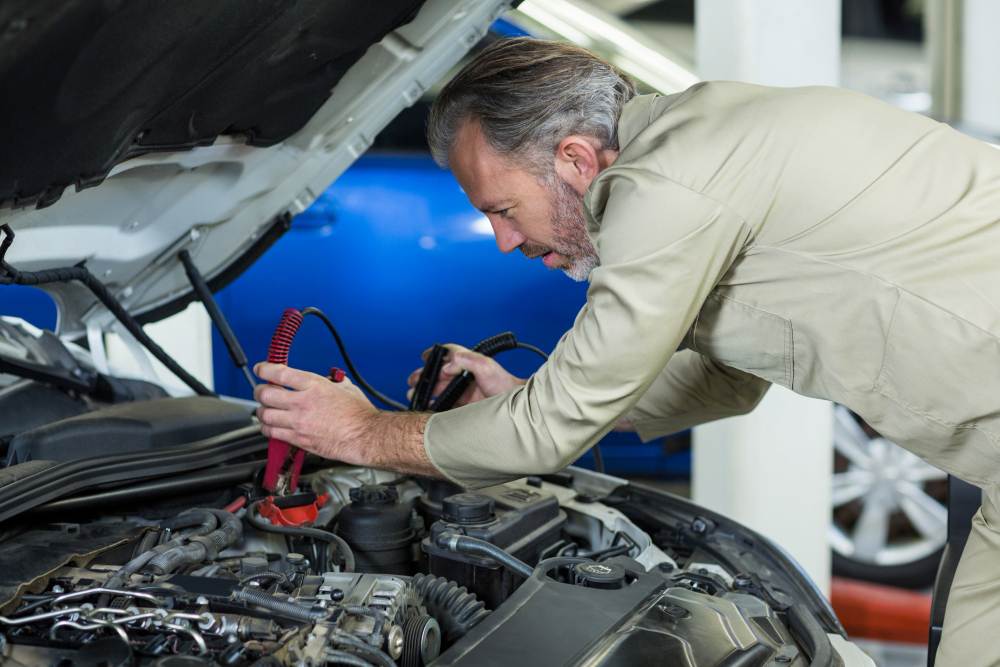
Owning a motor vehicle provides an incredible sense of freedom, convenience, and independence. However, that convenience comes with the ongoing responsibility of automotive maintenance. A modern automobile is a highly complex machine composed of thousands of moving parts, intricate electrical networks, and specialized chemical fluids working in unison under intense heat and physical stress. Over time, mechanical components inevitably experience wear and tear.
Many drivers treat car maintenance as a purely reactive task, only addressing issues after a component fails completely and leaves them stranded on the side of a highway. This approach is not only dangerous but also incredibly expensive. The vast majority of catastrophic mechanical failures are entirely preventable. By understanding the root causes of common automotive problems and implementing a proactive preventative maintenance routine, car owners can save thousands of dollars in repair bills, extend the lifespan of their vehicles, and ensure their safety on the road.
Engine Oil Degradation and Lubrication Failure
The internal combustion engine relies heavily on clean engine oil to minimize friction, dissipate extreme heat, and sweep away microscopic metal shavings and debris. When oil is neglected, it undergoes chemical breakdown, leading to severe internal engine damage.
The Mechanics of Oil Failure
As engine oil ages and absorbs heat, its chemical additives break down, causing it to lose its vital lubricating properties. The oil becomes increasingly viscous, eventually transforming into a thick, tar-like substance known as engine sludge. Sludge blocks the narrow oil passages inside the engine block, starving critical moving parts like the pistons, crankshaft, and camshaft of necessary lubrication. Without oil to cushion the movement, metal grinds against metal, generating extreme friction and heat that can weld internal parts together, completely ruining the engine.
To prevent lubrication failure, vehicle owners should follow these disciplined habits:
-
Adhere to Strict Change Intervals: Change your engine oil and oil filter exactly as specified by the vehicle manufacturer. While older vehicles required changes every three thousand miles, modern vehicles utilizing full synthetic oil can often travel between seven thousand five hundred and ten thousand miles before requiring a fresh fill.
-
Perform Regular Dipstick Inspections: Check your oil level manually at least once a month. Pull the dipstick out, wipe it clean with a rag, reinsert it fully, and pull it out again to verify that the oil level sits between the minimum and maximum indicator markers. If the oil appears milky, dark black, or smells distinctly burnt, it requires immediate professional attention.
Battery Depletion and Electrical System Failures
A dead battery is one of the most frequent causes of roadside service calls. The automotive battery is responsible for delivering the massive initial surge of electrical current required to spin the engine starter motor and activate the fuel system.
Understanding Battery Lifespan and Parasitic Draw
Lead-acid automotive batteries have a finite operational lifecycle, typically lasting between three and five years depending on driving habits and regional climate conditions. Extreme seasonal heat accelerates internal chemical degradation, while freezing winter temperatures increase the physical resistance within the battery, reducing its power output exactly when the engine requires more energy to crank. Additionally, small electrical components or short circuits can cause a parasitic draw, slowly draining the battery charge while the vehicle sits parked overnight.
Preventing battery and electrical failure requires simple, regular inspections:
-
Clean the Terminals Regularly: Over time, a white or bluish powdery substance known as lead sulfate corrosion can build up on the metal battery terminals. This crusty buildup acts as an electrical insulator, blocking the flow of current from the battery to the vehicle starter. Inspect the terminals twice a year and clean away any visible corrosion using a stiff wire brush and a mixture of baking soda and water.
-
Perform Preventative Battery Testing: Do not wait until your car refuses to start on a freezing winter morning to evaluate your battery health. Have a mechanic perform a digital load test during every routine oil change to check the battery voltage and cold cranking amps capacity. If the test indicates the battery is holding a weak charge, replace it proactively before it fails completely.
Braking System Wear and Friction Component Neglect
The braking system is the single most critical safety feature on any motor vehicle. It operates on the principle of hydraulic pressure and friction, converting kinetic motion into heat energy to bring thousands of pounds of steel to a safe stop.
The Breakdown of Friction Material
When you press the brake pedal, hydraulic fluid pushes a set of brake pads against a spinning metal disc called a rotor. This friction slows the vehicle down, but it also gradually shaves away the sacrificial material on the brake pads. If you ignore the warning signs of worn brake pads, the backing plate of the pad will eventually make direct contact with the metal rotor. This metal-on-metal contact creates deep scores and heat cracks in the rotors, drastically increasing your stopping distances and forcing you to replace both the pads and the expensive rotors simultaneously.
Maintain your braking power by monitoring these critical components:
-
Listen for Acoustic Indicators: Modern brake pads are manufactured with a small, built-in metal tab called a wear indicator. When the pad material wears down past a safe thickness, this metal tab rubs against the rotor, producing a high-pitched squealing or chirping sound whenever the vehicle is in motion. If you hear this sound, schedule a brake inspection immediately.
-
Flush the Hydraulic Brake Fluid: Brake fluid is hygroscopic, meaning it naturally absorbs moisture from the surrounding atmosphere over time. This moisture content lowers the boiling point of the fluid and introduces water into the steel brake lines, causing internal rust and potential hydraulic pressure failure. Flush and replace your brake fluid every two years or twenty-four thousand miles to keep the system clean and responsive.
Cooling System Inefficiency and Thermal Overheating
An internal combustion engine generates enough thermal energy to melt its own aluminum or iron structure if it is not managed correctly. The cooling system regulates this temperature by circulating a mixture of water and antifreeze through the engine block to absorb heat and carry it to the radiator to be cooled by oncoming air.
The Consequences of Thermal Overheating
When a component in the cooling system fails, such as a leaking rubber hose, a stuck thermostat, or a cracked radiator tank, the engine temperature skyrockets within minutes. This extreme heat causes the metal engine components to expand past their engineered tolerances. The aluminum cylinder head can warp, destroying the head gasket and allowing coolant to mix directly with the engine oil. In severe cases, overheating can crack the engine block or cause the pistons to seize tightly inside the cylinders, resulting in a total mechanical loss.
Protect your vehicle from overheating by practicing proactive thermal management:
-
Inspect Hoses and Connections for Weakness: Rubber radiator and heater hoses degrade from the inside out due to chemical exposure and constant pressure cycles. Inspect your engine bay regularly, looking for any signs of crusty white coolant residue around hose clamps or soft, bulging sections along the length of the rubber lines. Replace any brittle or squishy hoses immediately.
-
Maintain the Correct Coolant Concentration: Never fill your cooling system with pure water, as water boils at a lower temperature, freezes easily, and lacks the anti-corrosive additives found in professional engine coolant. Always maintain a proper fifty-fifty mixture of clean distilled water and the specific type of antifreeze recommended by your vehicle manufacturer.
Frequently Asked Questions
Why does my vehicle pull hard to one side when I release the steering wheel?
A vehicle that pulls strongly to one side usually suffers from improper wheel alignment or uneven tire inflation. Over time, hitting potholes, bumping into curbs, or driving over rough terrain can jar your suspension components out of their factory-specified angles. When your alignment is off, your tires do not travel perfectly parallel to one another, causing the vehicle to drift or pull toward one side. Checking your tire pressures and scheduling a professional wheel alignment service will fix the pulling and protect your tires from rapid, uneven tread wear.
How does driving on an almost empty fuel tank damage the vehicle?
Driving regularly with a critically low fuel level can cause premature failure of your electric fuel pump. In modern automobiles, the fuel pump is submerged directly inside the gas tank, relying on the surrounding liquid gasoline to act as both a cooling mechanism and an insulator against heat. When you run your tank down to empty, the pump is exposed to air, causing it to run hot and experience excessive thermal wear. Additionally, riding on empty pulls any heavy sediment or debris sitting at the bottom of the fuel tank into the pump filter, clogging the fuel system.
What causes a vehicle to shake or vibrate when applying the brakes at high speeds?
A distinct shaking or pulsing sensation felt through the brake pedal or steering wheel during braking indicates warped brake rotors. When rotors are exposed to extreme heat from sudden braking or long down-hill descents, the metal can experience uneven expansion and deformation. As the brake pads clamp down on a warped, uneven surface, the variation in thickness causes a rhythmic vibration that travels up the steering column and into the cabin. Warped rotors must be resurfaced on a lathe or replaced entirely to restore smooth braking.
Why is it dangerous to ignore a illuminated check engine light even if the car drives fine?
The check engine light is triggered by the vehicle on-board diagnostics system whenever a sensor detects a reading outside of normal operational tolerances. Even if the car feels like it is operating normally, the computer may have adjusted its fuel trim parameters into a backup limp mode to protect the vehicle. Driving long distances with an active check engine light can lead to hidden issues, such as an incorrect fuel-to-air ratio that can melt your expensive catalytic converter or cause a catastrophic drop in your fuel economy.
How often should car tires be rotated, and why is this practice necessary?
Car tires should be rotated every five thousand to seven thousand five hundred miles, which conveniently aligns with most standard oil change intervals. Tire rotation is necessary because the front and rear axles experience completely different physical forces. The front tires bear the weight of the heavy engine block and handle the friction of steering and turning, causing them to wear out faster than the rear tires. Rotating the tires around the vehicle ensures that the tread wears down evenly across all four tires, maximizing their lifespan and maintaining optimal traction.
What is the purpose of a cabin air filter, and how does its neglect affect the car?
The cabin air filter cleans the outside air that enters the interior of your vehicle through the heating, ventilation, and air conditioning system, trapping dust, pollen, mold spores, and exhaust fumes. When this filter is neglected and becomes completely clogged with dirt, it restricts the airflow into the cabin, reducing the heating and cooling efficiency of your vents and putting extra mechanical strain on the blower motor. A dirty cabin filter can also cause an unpleasant, musty odor inside the car and lead to foggy windows that are difficult to clear.
Why do rubber windshield wiper blades streak, and how can you extend their life?
Windshield wiper blades are made of soft rubber compounds that degrade naturally over time due to exposure to ultraviolet sunlight, road salt, ozone, and temperature changes. As the rubber dries out and hardens, it develops micro-cracks along the wiping edge, causing water to streak across the glass. You can significantly extend the operational life of your wiper blades by wiping down the rubber edges once a month with a damp microfiber cloth and a small amount of rubbing alcohol to remove accumulated road grime and sap.
