


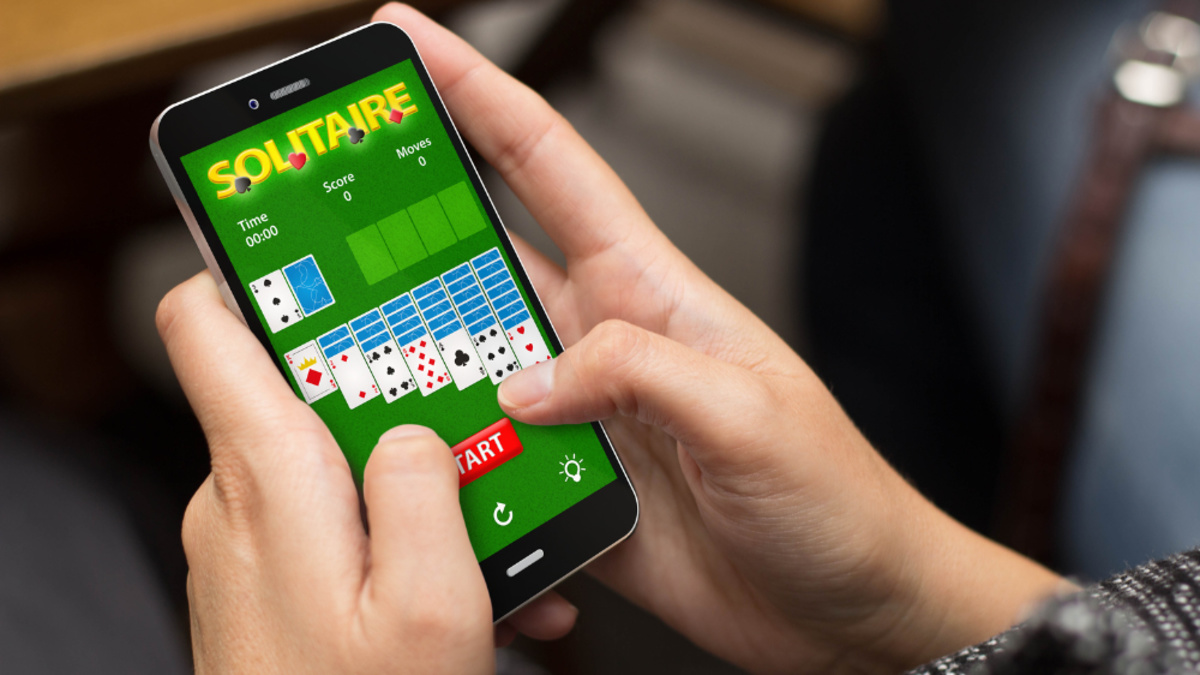
For generations, solitaire has captured the attention of players looking for both relaxation and mental stimulation. The transition from card decks on kitchen tables to interactive screens has made it more accessible than ever. Yet with countless variations and platforms available today, many players find themselves asking what truly defines the best solitaire game. Whether it’s a classic version or a modern twist, certain features set outstanding games apart from the rest, giving players an experience that feels engaging, rewarding, and timeless.
The Enduring Appeal of Solitaire
At its core, solitaire has remained a household favorite because of its blend of strategy and simplicity. Unlike many multiplayer games, it requires no opponent, which makes it perfect for moments of quiet reflection or leisure. The best solitaire game not only replicates the familiar patterns of drawing cards and building suits but also adds elements that enhance the enjoyment of the experience. For example, digital platforms can incorporate smooth animations, hints, and customization that make playing feel more intuitive.
Solitaire appeals to both casual players who want a few minutes of relaxation and competitive players who focus on strategy and winning streaks. The universality of its rules and the fact that it can be learned in minutes but mastered over years explain why solitaire remains deeply rooted in gaming culture. When evaluating options, the most enjoyable versions of the game are those that manage to balance nostalgia with innovation.
Essential Features Players Value
When trying to find the best solitaire game, several key aspects contribute to the overall quality. One of the most important is ease of use. Games that provide clean layouts, easy navigation, and clear card visibility allow players to focus entirely on gameplay. Clunky designs or overly complicated menus, by contrast, tend to detract from the experience.
Another factor is game variety. While Klondike remains the most well-known version, solitaire has dozens of variations including Spider, FreeCell, and Pyramid. A platform offering multiple versions helps players stay engaged by giving them options to match their mood or skill level. Flexibility is another hallmark of an excellent experience, with customizable difficulty settings, undo options, and hints that help new players learn while giving experienced players a chance to test their strategies.
Modern solitaire has also embraced personalization. From backgrounds and card designs to sound effects, customization allows players to make the game their own. This feature creates a more immersive experience that feels tailored rather than generic. The best solitaire game often combines all these aspects while maintaining smooth performance across devices.
How Solitaire Strengthens Skills and Provides Balance
Beyond entertainment, solitaire offers benefits that often go overlooked. Regularly playing helps sharpen problem-solving skills since every move requires forward thinking and planning. Players learn to consider multiple outcomes and to balance short-term sacrifices for long-term success. This mental engagement transforms the game from a casual pastime into a subtle brain-training exercise.
Additionally, solitaire serves as a stress reliever. The rhythmic act of turning cards and watching suits build provides a sense of order that can be soothing in chaotic times. For people with demanding schedules, playing for even ten minutes can provide a calming reset. When integrated thoughtfully into daily routines, the best solitaire game supports balance by offering both cognitive stimulation and relaxation.
There’s also a social dimension, even though solitaire is traditionally a single-player experience. Online leaderboards and achievement systems let players measure progress against others without the pressure of direct competition. These elements create a sense of community while preserving the reflective nature of the game.
The Digital Future of Solitaire
The rise of mobile apps and web platforms has taken solitaire beyond its origins. Players can now enjoy quick sessions on smartphones, tablets, or desktops no matter where they are. With cloud syncing, progress can be carried across devices, ensuring continuity and accessibility. This evolution demonstrates that the best solitaire game is no longer bound by physical cards but thrives in digital form.
The future likely holds even more enhancements, such as AI-assisted training for beginners, advanced statistics for competitive players, and even immersive designs powered by augmented reality. Yet despite these innovations, solitaire’s essence remains unchanged. It continues to provide the same satisfaction it did decades ago, just in new and more accessible ways.
What Players Should Seek
Ultimately, the best solitaire game is defined by a combination of reliability, variety, and user-friendly design. It should be easy to access, enjoyable to play, and flexible enough to adapt to different moods and skill levels. Players should look for versions that balance traditional gameplay with thoughtful digital improvements. Whether someone enjoys a few minutes of relaxation between tasks or pursues high-level strategies, the right solitaire experience will meet them where they are.
Solitaire’s continued relevance shows that it is more than just a pastime. It is a game of patience, resilience, and problem-solving that evolves with every shuffle. The digital age has only strengthened its place in modern life by making it more accessible and customizable than ever before. For those seeking the perfect version, paying attention to features like design, variety, and balance can transform an ordinary game into an exceptional one. The best solitaire game is not only about winning but also about enjoying the journey with each move.
