


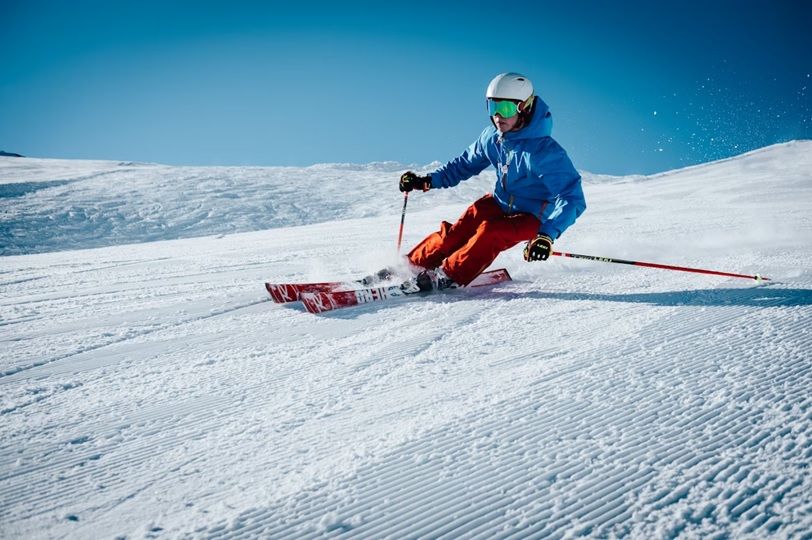
Ski goggles can look deceptively similar at first glance. Different colours, different brands, slightly different shapes — but once you’re on the mountain, the differences become very real. Visibility, comfort, and fit can change how confident you feel on the slopes, especially when conditions aren’t perfect.
This guide focuses on what actually matters when choosing ski goggles, cutting through the noise to help you make a decision that holds up in real conditions.
Why Ski Goggles Matter More Than You Think
Skiing puts your eyes through a lot. Cold air, wind, snow glare, flat light, and sudden weather changes all affect how well you can see. Good ski goggles don’t just protect your eyes — they help you read the terrain clearly and react faster.
Poor-quality goggles can fog, distort light, or sit uncomfortably, which becomes frustrating (and sometimes unsafe) very quickly.
Lens Quality Is the Biggest Factor
If you prioritise one thing, make it the lens.
Clarity and Optical Quality
High-quality lenses offer distortion-free vision across the entire field of view. Cheaper lenses may look fine indoors but warp slightly at the edges, which can affect depth perception on the slopes.
UV Protection
All ski goggles should block 100% of UVA and UVB rays. Snow reflects sunlight intensely, increasing UV exposure even on cloudy days.
Contrast Enhancement
Good lenses improve contrast, helping you see bumps, dips, and changes in snow texture. This is especially important in flat light or overcast conditions, where everything can start to look the same.
Choosing the Right Lens Tint
Lens tint isn’t just about brightness — it’s about visibility in specific conditions.
- Dark lenses (grey, black): Best for bright, sunny days
- Rose or copper lenses: Improve contrast in mixed or cloudy light
- Yellow or clear lenses: Useful for low light, snowstorms, or night skiing
Many skiers now choose goggles with interchangeable lenses so they can adapt to changing weather without switching goggles entirely.
Fog Resistance: Non-Negotiable
Fogging is one of the most common complaints with ski goggles — and one of the most dangerous distractions on the slopes.
Look for:
- Double-lens construction, which creates a thermal barrier
- Anti-fog coatings applied to the inner lens
- Proper ventilation, allowing air to circulate without letting cold wind in
Avoid wiping the inside of the lens, even if it fogs — this can damage the anti-fog coating and make the problem worse long-term.
Fit Matters More Than Brand
No matter how advanced the goggles are, they won’t perform well if they don’t fit your face properly.
Good ski goggles should:
- Sit comfortably against your face without pressure points
- Seal evenly around the edges to keep out wind and snow
- Stay in place without constant adjustment
Everyone’s face shape is different, so what works for someone else may not work for you. Fit should always come before brand or style.
Helmet Compatibility Is Essential
Most skiers now wear helmets, and your goggles need to work with one.
Check that:
- The goggles sit flush against the helmet with no gap
- The strap fits securely around the helmet without slipping
- Ventilation aligns properly between goggles and helmet
A gap between helmet and goggles (often called a “gaper gap”) isn’t just an aesthetic issue — it can let in cold air and reduce comfort.
Frame Size and Field of View
Ski goggles come in different sizes, and bigger isn’t always better.
- Larger frames usually offer a wider field of view, which is helpful for peripheral vision
- Smaller frames can suit narrower faces and feel lighter
Modern designs often use spherical or toric lenses to maximise vision while maintaining a comfortable fit.
Choose a size that feels balanced on your face, not oversized or heavy.
Strap and Padding Comfort
You may not think much about the strap and foam padding — until they’re uncomfortable.
Look for:
- Soft, moisture-wicking face foam
- Multiple foam layers for insulation and comfort
- A strap with silicone grip to prevent slipping on helmets
Comfort becomes more noticeable the longer you’re on the mountain, especially on full-day sessions.
When Performance Goggles Really Matter
For casual skiers, solid mid-range goggles will usually do the job. But if you ski often, in changing conditions, or at higher speeds, performance features start to matter more.
Performance goggles typically offer:
- Better lens technology for contrast and clarity
- More reliable fog resistance
- Improved durability and comfort
These features aren’t about luxury — they’re about consistency and confidence on the slopes.
Caring for Your Ski Goggles
Even the best goggles won’t perform well if they’re poorly looked after.
- Always store them in a protective pouch
- Let them air-dry naturally after skiing
- Avoid touching the inside lens
- Keep them away from direct heat sources
Good care extends the life of your goggles and preserves lens performance.
Choosing What’s Right for You
When choosing ski goggles, think about:
- Where you ski most often
- Typical weather and light conditions
- How long you spend on the slopes
- Whether you wear a helmet
The best ski goggles aren’t the most expensive or the most talked about — they’re the ones that disappear once you start skiing, letting you focus on the run rather than your gear.
What actually makes a difference on the slopes comes down to visibility, comfort, and fit. When those elements are right, ski goggles become something you stop thinking about — and that’s exactly how it should be.
Choose thoughtfully, prioritise function over hype, and your goggles will quietly do their job, run after run.
